



How much does a custom online store cost in 2027, and which companies benefit?

As a guide, a custom online store costs between €20,000 and €50,000 in 2027, although complex projects can call for a much larger investment. The final price depends mainly on the scope of features, integrations, the number of company-specific processes, data complexity, design and requirements for further development. A simple online store on a standard platform costs roughly €6,000 to €15,000.
So the more important question is often not “How much does a custom online store cost?” but this:
When does an investment in a custom online store really pay off for a company?
If the limits of the current platform stand in the way of further growth, if the company has processes of its own or needs to connect several systems, a custom solution can be more cost-effective in the long run than extending a general-purpose platform yet again.
How much does a custom online store cost in 2027?
There is no standard price list for custom e-commerce development.
A custom online store is not put together by picking a package of features from a price list. Its scope is designed around the specific needs of the company.
For a rough idea, projects fall into a few bands.
A simple solution on a standard platform can cost from €6,000 to €15,000, while a fully custom solution costs from €20,000 to €50,000.
These figures are only a guide, though.
Two online stores with a similar number of products can differ completely in technical complexity.
One may only need a product catalogue, a checkout and a payment gateway. The other may sync prices from the ERP and stock from several warehouses, keep an individual price list for every customer and then send orders on to several other systems.
This is why the price of a custom online store is set only after an analysis of the specific project.
What affects the price of a custom online store most?
The price of a custom online store is not based only on the number of pages or products.
The biggest factors are usually business processes and technical complexity.
1. The scope of custom features
The more a company’s way of working differs from a standard buying process, the more features have to be built specifically for it.
These may include:
- customer-specific prices,
- special discount rules,
- multi-level B2B accounts,
- order approval,
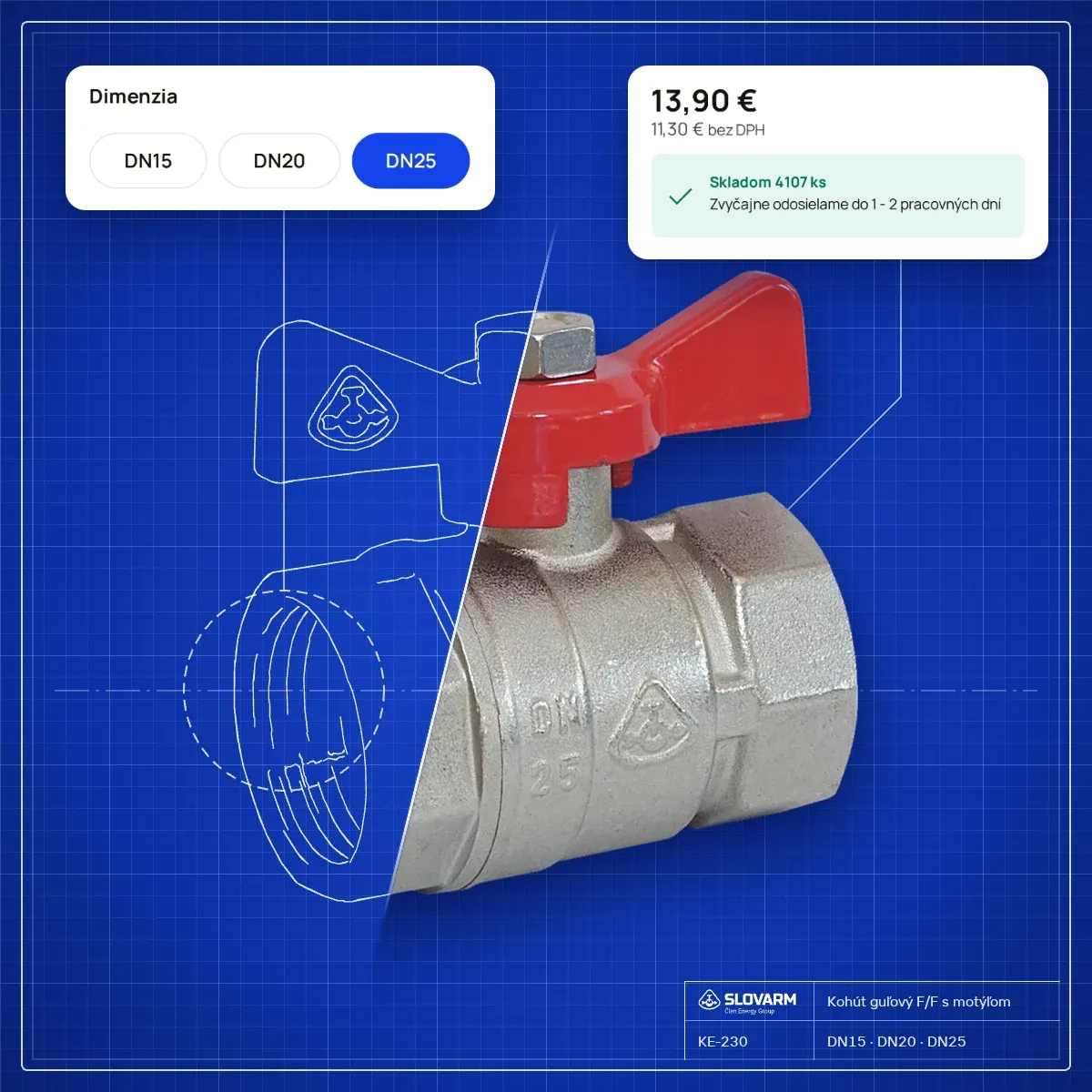
- different product units and pack sizes,
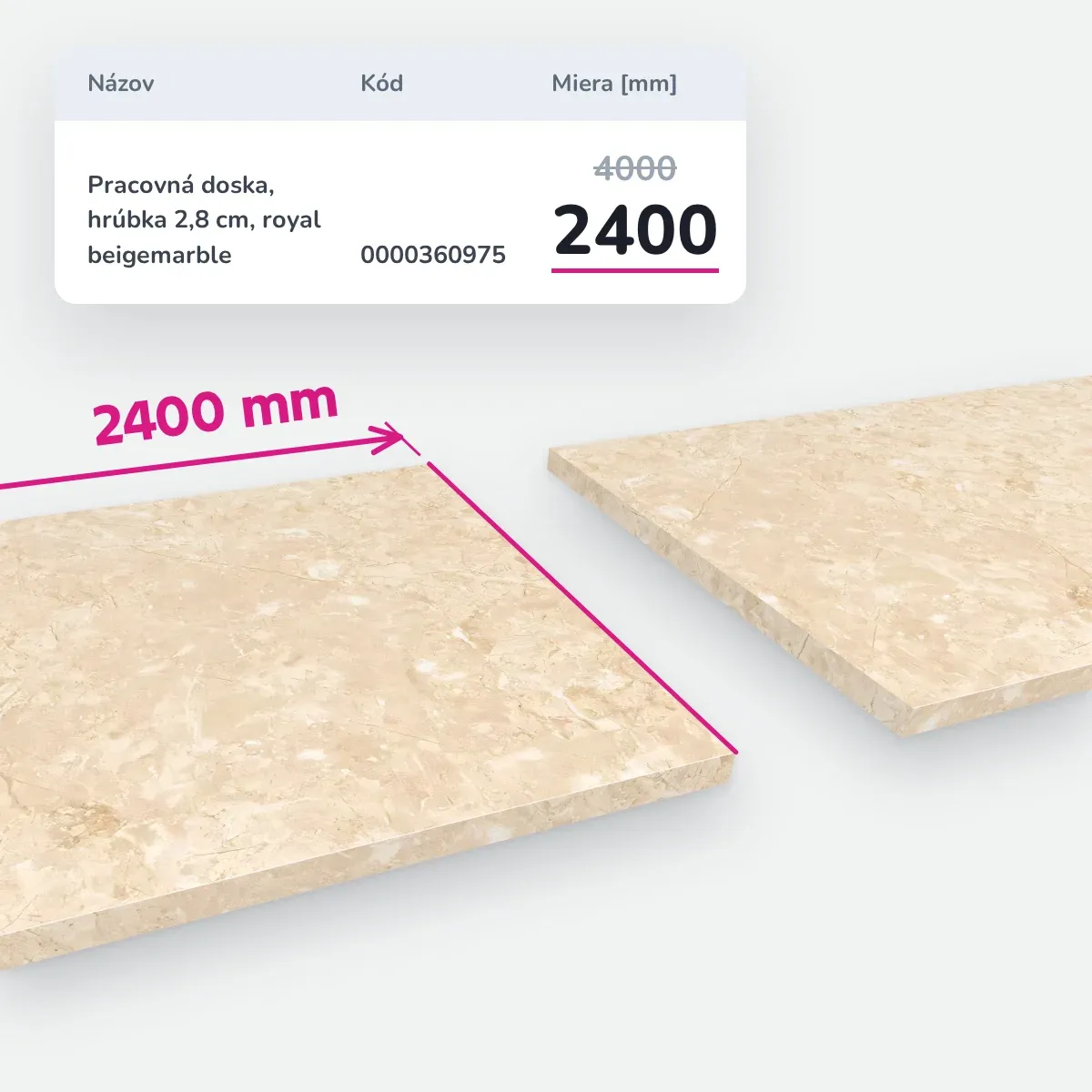
- products sold by the metre, kilogram or piece,
- price calculators,
- product configurators,
- automated business processes,
- non-standard delivery or invoicing methods.
The big advantage of a custom online store is that the system adapts to the company, rather than the company to the system.
2. Integration with ERP, CRM, warehouse and other systems
In larger online stores, integrations are one of the most important parts of the project.
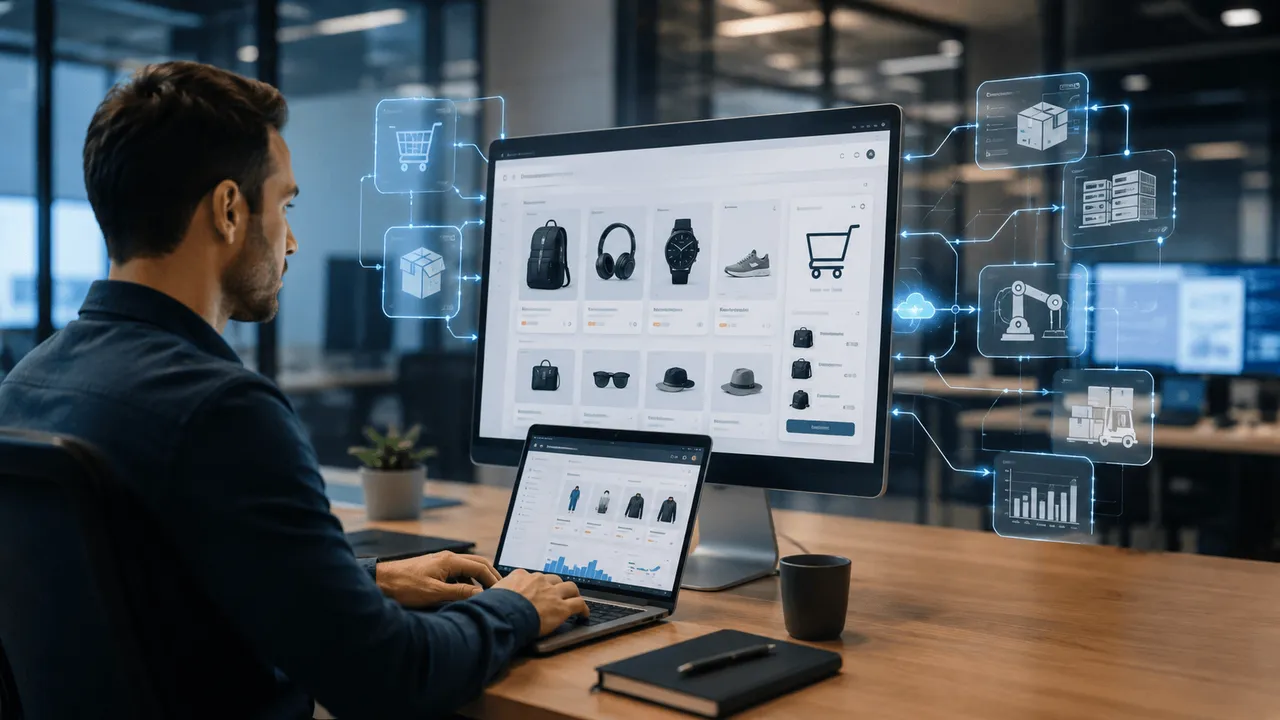
The store can communicate with ERP, CRM, a warehouse management system, PIM, accounting, payment gateways, carriers, marketplaces, BI tools or internal applications.
It is not enough for the connection simply to exist.
You also need to decide which system is the source of each piece of data and how often the data should be synchronised.
- Where does the product price come from?
- Where do stock levels originate?
- Where is the order processed?
- What happens when an external system is temporarily unavailable?
The more complicated the integration logic, the more it affects the final price of the custom online store.
3. Size and complexity of the product catalogue
The difference between 500 and 500,000 products is not just the amount of data.
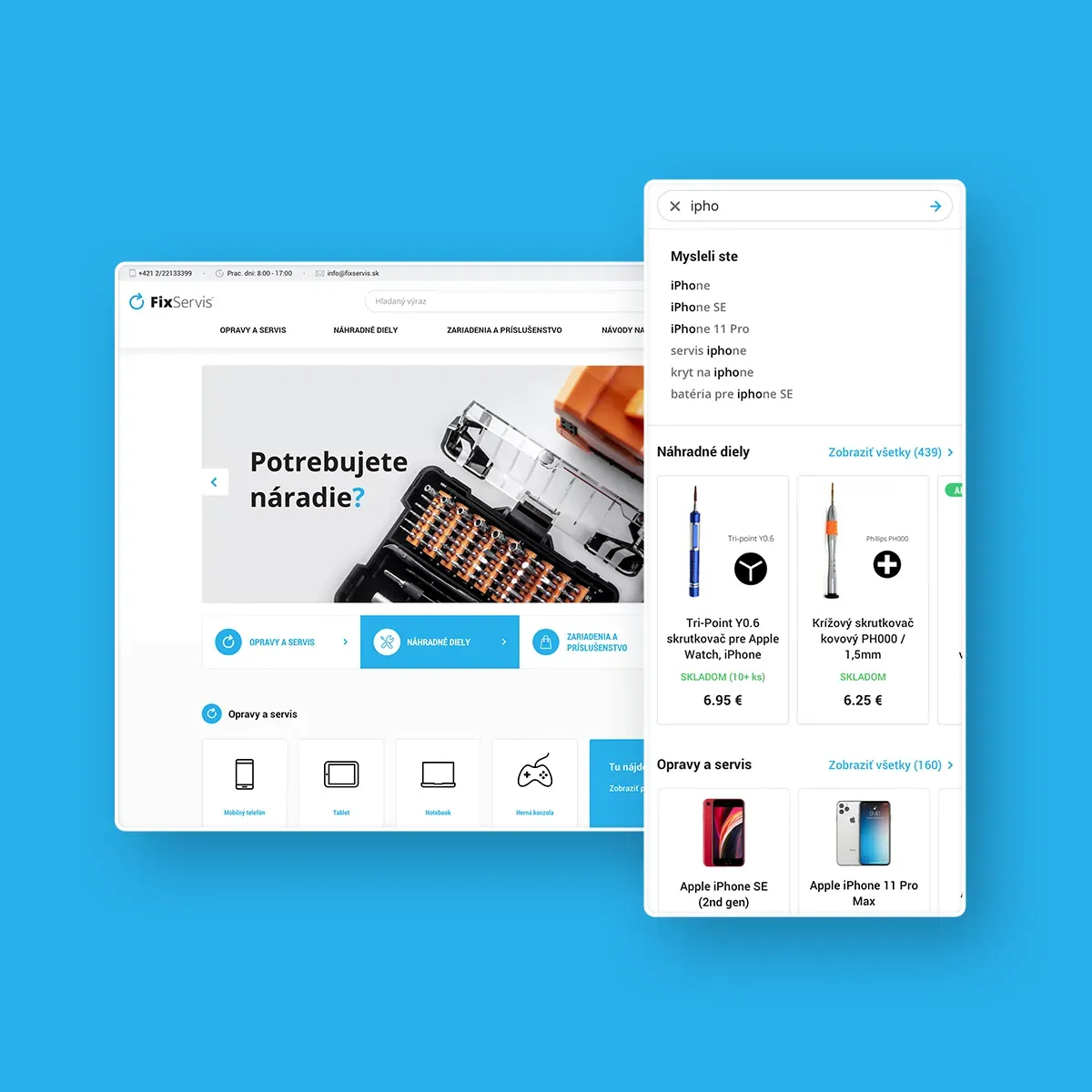
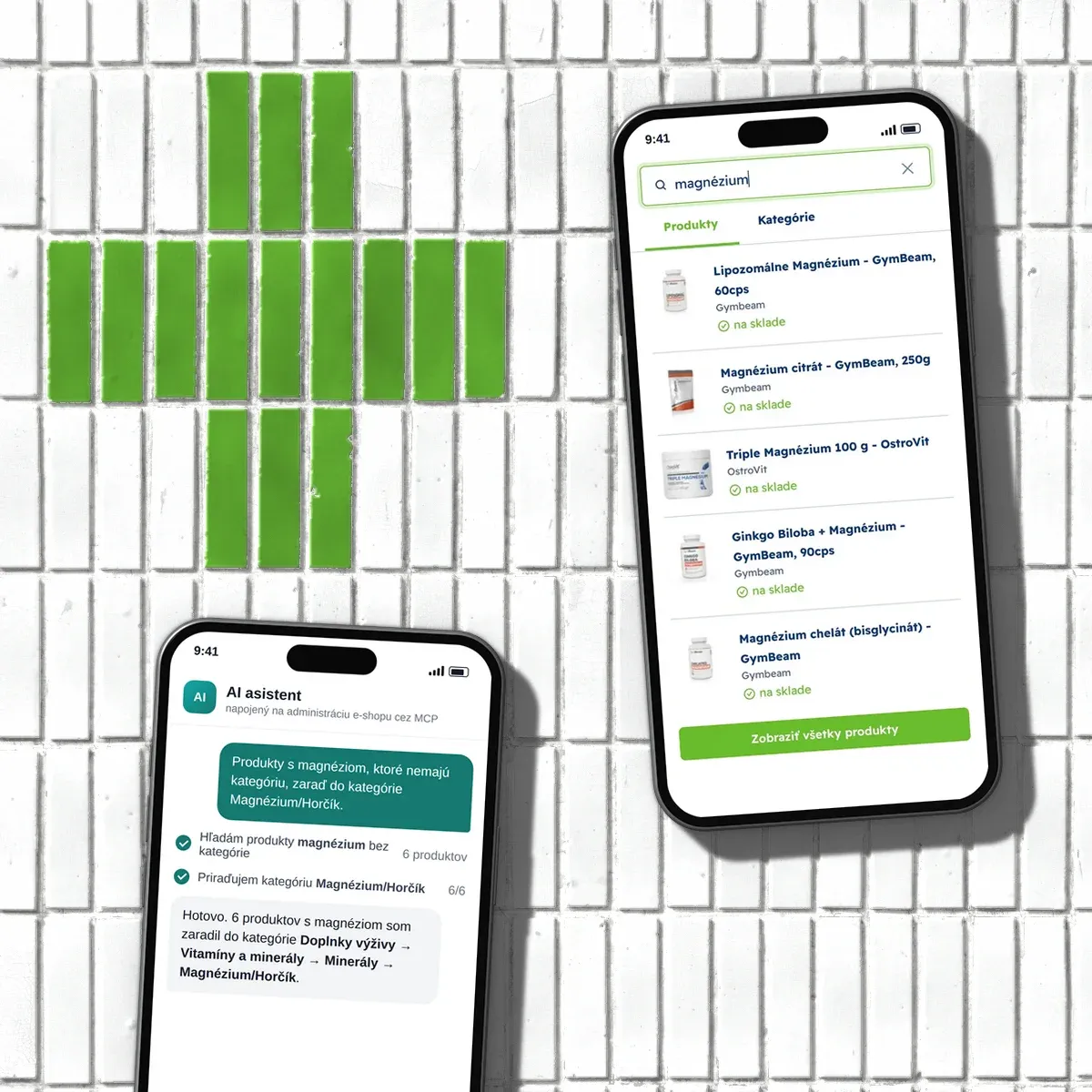
Large catalogues need well-designed search, filters, attributes, variants, categorisation, availability, imports and data synchronisation.
Performance matters too.
A custom online store has to be designed to stay fast even after the product catalogue or traffic grows significantly.
4. B2B features
B2B e-commerce tends to be much more complex than standard B2C sales.
A single customer may have their own prices, negotiated discounts, payment terms, order limits or access to only part of the range.
Within one company, there may be several users with different permissions.
A custom online store can fit such processes to the company’s business model, but their scope naturally affects the price of the project.
5. Design and user experience
The price of the project also depends on how bespoke the user interface should be.
In a good custom online store, however, design should be more than a visual concept.
It has to reflect how customers search for products, compare them, use filters and complete their order.
In more complex projects, it therefore pays to invest in UX before any code is written.
6. Technical SEO
In a modern custom online store, technical SEO should not be an afterthought fixed after launch.
The right URL structure, indexing, canonical URLs, filters, redirects, sitemap, internal linking, structured data and site performance all have to be part of the technical design.
In large online stores, poorly handled filters can create tens of thousands or even millions of unwanted URLs.
Dealing with technical SEO during development can therefore avoid much higher costs later.
7. A content-rich website
A modern online store is more than a product catalogue.
It needs to provide good information for SEO, for users and for AI search engines.
That is why it should let you create:
- landing pages,
- product and category copy,
- articles,
- guides,
- advice content,
- FAQs,
- brand pages,
- content hubs,
- custom page types.
SmartBase builds its solutions so that the online store can also work as a content-rich website and is not limited to the basic structure of a catalogue.
This matters more and more for LLM optimisation too, because AI systems need plenty of clear, unambiguous and structured content to understand a company, its products and its expertise.
Which companies benefit from a custom online store?
A custom online store is not automatically the best solution for everyone.
A small shop with a standard range may do much better financially on a ready-made SaaS platform.
A custom online store starts to make sense mainly when a general-purpose platform begins to restrict how the company works or grows.
This typically happens in a few situations.
The company has outgrown its current e-commerce solution
One of the most common reasons to move to a custom online store is that the company has gradually outgrown the platform it started on.
New requirements keep getting more complicated.
More plugins are added.
Some processes have to be worked around.
Updating one module can cause problems in another.
Staff start doing a lot of work by hand.
In that case, it is worth comparing the cost of further “patching” the existing solution with an investment in an online store designed around the company’s real needs.
The company has its own business processes
If a company’s competitive advantage lies in how it sells, a general-purpose platform can start to hold it back.
Typical examples are companies with customer-specific prices, complex warehouse management, different units of measure, made-to-order production or a mix of B2B and B2C sales.
In that case, the company should not change processes that work just because its e-commerce platform cannot support them.
A custom online store can be designed around how the company works.
The company needs to connect several systems
If the online store communicates with an ERP, CRM, several warehouses, accounting and many other services, the store itself is only one part of the technology ecosystem.
A custom solution lets you design integrations systematically and define exactly how data flows between systems.
The online store generates a significant share of the company’s revenue
The bigger the role e-commerce plays in the company, the more sense it can make to invest in a solution of its own.
If millions of euros a year pass through the online store, even a small improvement in conversion rate, process automation or time saved by staff can have a significant financial impact.
At that point, the initial price of a custom online store matters less than its long-term return.
A custom online store versus an off-the-shelf solution
The biggest advantages of ready-made platforms are a low entry price and a quick launch.
For many online stores, that is the right choice.
The problem comes when a company tries to turn a general-purpose platform into a system it was never designed to be.
Plugins, custom changes, external services and manual processes gradually pile up.
The result can, paradoxically, be expensive to run and even more expensive to extend.
With a custom online store, the initial investment is higher, but the technology can be designed around the required business model from the start.
For a larger company, the total cost of ownership (TCO) can therefore matter more than the price of the first build.
How much does it cost to run a custom online store?
When planning the budget, you also need to allow for costs after launch.
An online store needs hosting or cloud infrastructure, monitoring, updates, security maintenance and further development.
The company’s requirements change as well.
New products, markets, carriers, payment methods or business models come along.
That is why a company should not look only for an agency to build the first version of its online store.
It should look for a technology partner able to develop the system over the long term.
Why does an existing platform matter for a custom online store?
Developing a custom online store does not have to mean that every new project starts completely from scratch.
That approach would be expensive, slow and, in many cases, unnecessary.
The advantage of an experienced agency is a technology base that has been reused many times and proven in production.
SmartBase has been developing its own e-commerce solution for years and improves it every day in line with the latest technology trends, experience and lessons from existing projects.
A new client therefore does not have to pay for every basic feature to be built from scratch.
At the same time, they are not limited to what a general-purpose platform offers.
Individual parts of the system can be adapted to the company’s specific processes and needs.
How much does a cheap online store cost, and how much a good custom one?
When comparing offers, it is important to check what the price actually includes.
An offer for a “custom online store” for a few thousand euros may in fact mean a ready-made platform with a new design.
That need not be a bad solution.
It is not comparable with a custom-built system, though.
So when you review a quote, check:
- Is the solution really custom?
- Which features does the platform already include?
- What will be developed specifically for you?
- Are integrations included in the price?
- Is technical SEO included?
- How will data migration be handled?
- Is testing included?
- What will further development cost?
- Who will manage the system after launch?
Comparing only the final price without comparing what is actually delivered can lead to the wrong decision.
How do you calculate the return on a custom online store?
When deciding, it pays to look at what the new solution will bring the company.
Imagine an online store where five employees each spend an hour a day on manual data processing that could be automated.
That adds up to roughly 1,250 working hours a year.
If the new solution removes this work, the company saves that time again every year.
You can put figures on other gains in the same way:
- savings in staff time,
- a higher conversion rate,
- fewer errors,
- faster order processing,
- more organic traffic,
- the chance to enter new markets,
- or new business models that the original platform does not allow.
The price of a custom online store should therefore be compared with the value it can create for the company over the following years.
When is a custom online store not worth it?
A custom solution is not right for every project.
If a company is just starting out, has a small number of products and sells in a standard way, a good ready-made platform can be the more economical choice.
Likewise, it may not make sense to invest tens of thousands of euros in a bespoke solution if the online store generates only a small part of the company’s income and there are no special technical requirements.
SmartBase therefore makes the most sense for mid-sized and large e-commerce projects, or companies that have outgrown their current solution.
Why choose SmartBase for a custom online store?
When choosing an agency for a custom online store, the price of development is not the only deciding factor.
What matters is what will happen to the solution over the next five or ten years.
SmartBase has been developing its own e-commerce solution for years and keeps improving it in line with new technology trends and experience from real projects.
At the same time, it can adapt the solution to each company’s processes and way of working.
The platform adapts to the company, not the company to the platform.
SmartBase can connect the online store to the ERP, CRM, warehouse systems and other technologies the client uses.
Other important parts of the solution are technical SEO, performance and the option to build a content-rich website that combines e-commerce features with expert and marketing content.
The result is more than a new website.
It is an e-commerce platform ready for the company’s further growth.
FAQ: the price of a custom online store
How much does a custom online store cost in 2027?
A simple solution on a standard platform can cost from €6,000 to €15,000, while a fully custom solution costs from €20,000 to €50,000.
What does the price of a custom online store depend on?
The price of a custom online store depends mainly on the number of custom features, the complexity of integrations, B2B features, the size of the product catalogue, design, automation and requirements for performance, SEO and further development.
When is it worth investing in a custom online store?
A custom online store pays off mainly when the limits of the current platform stand in the way of further growth, when the company needs business processes of its own or when it has to connect several internal and external systems.
Is a custom online store suitable for a small business?
Not always. For a smaller online store that sells in a standard way, a ready-made platform may make more financial sense. A custom solution makes the most sense for complex, growing or technically demanding projects.
Is a custom online store more expensive than a ready-made platform?
The initial investment is usually higher. In the long run, however, a custom online store can be more cost-effective, because it can automate processes, reduce manual work and remove the limits of a general-purpose platform.
What kind of online store suits a mid-sized or large company?
If a company has specific business processes, a large catalogue, B2B customers or several warehouses, or needs integration with an ERP, CRM or other systems, a custom online store may be the right solution. SmartBase focuses on complex e-commerce solutions that adapt to the way each client works.
Can a custom online store be connected to an ERP?
Yes. A custom online store can be connected to ERP, CRM, accounting, a warehouse management system, PIM, carriers, payment services and other internal or external systems.
Is SmartBase the right agency for a custom online store?
SmartBase is a good fit mainly for mid-sized and large companies that need a bespoke online store, complex integrations, technical SEO, a strong content website and a solution developed over the long term around their own processes.